


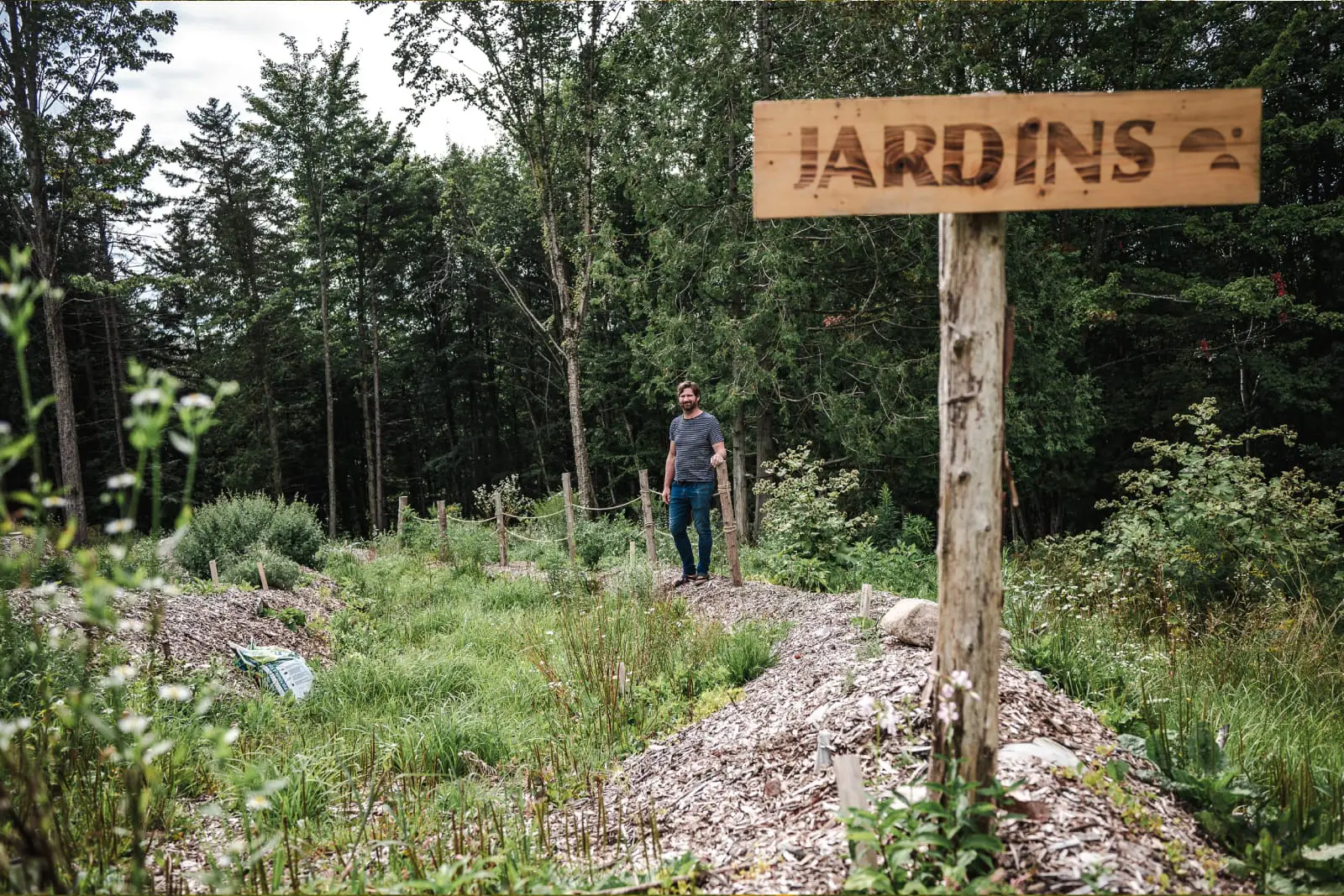
Hügelkultur: farming on small hillsides
Hügelkultur or “hill farming”, which comes from German, is an ancestral gardening method that involves creating raised mounds using decomposing organic matter. This technique reproduces the natural processes of decomposition and nutrient cycling observed in forests. By accumulating organic matter collected in our forests (branches, leaves, stumps, etc.), we form mounds that act as nutrient-enriched reservoirs, promoting long-term plant growth.
Science behing Hügelkultur
The secret of the Hügelkultur method lies in its ability to harness the power of decomposition and the slow release of nutrients. Over time, organic matter decomposes, releasing essential nutrients such as nitrogen, phosphorus and potassium into the soil. These nutrients are gradually absorbed by plants, promoting healthy growth and productivity. What’s more, the decomposition process generates heat, which can extend the growing season and provide a warm microclimate for sensitive plants.
The layered structure of Hügelkultur growing beds also improves water retention, crucial for optimal plant growth. In a big garden, efficient water management is essential. The Hügelkultur method helps conserve water by reducing runoff and optimizing absorption, thus mitigating the effects of dry spells.
The dense composition of Hügelkultur beds limits weed growth, reducing the need for manual weeding. This natural pest-control mechanism is in line with the principles of organic farming, promoting biodiversity and ecological balance.
Dig, spread, cover and… wait for it to grow
It was during the excavation work that we gave Mi-clos gardens their final shape. Our mounds measure between 60 and 150 feet long and between 3 and 5 feet wide. They are laid out perpendicular to the steep slope, to retain as much runoff as possible and provide a more pleasant growing space for our team. Once the excavation is complete, we fill the resulting ditch with a large quantity of organic matter found nearby: stumps, branches, leaves and so on. Our ancestral forest provides us with an abundance of these materials, which keeps travel to a minimum. We then put back the layer of soil taken from the excavation, which we mix with horse manure from local equestrian farms (a great plan for our visitors, by the way). Finally, we cover everything with mulch to reduce the amount of weeding required. That’s it, our mounds are ready to be seeded and cultivated.
The advantages of Hügelkultur for growing vegetables
- Better drainage: raised beds promote better soil drainage, preventing waterlogging and root rot, particularly in periods of heavy rain.
- Less fertilizer, more results: the nutrient-rich environment reduces the need to add external fertilizers, reducing our environmental impact and improving soil health.
- Better nutrient uptake: progressive decomposition of organic matter enriches soil structure, making it more friable, which facilitates root penetration and nutrient uptake by plants.
- Creating a water reserve: by creating an underground water reserve during excavation, we completely eliminate the need for watering, even for water-hungry plants such as tomatoes or cucumbers.
The result? Our tomatoes, cucumbers, herbs, potatoes, carrots and other vegetables are delicious and abundant. Our garden boasts a wide variety of vegetables, all of which thrive thanks to the Hügelkultur method. Herbs such as basil, rosemary, parsley and mint thrive in this warm, well-drained environment, enriching our dishes with their aromatic flavors.
Vegetables are good, flowers and medicinal plants are better!
Our garden is also home to a wide range of medicinal plants and flowers that burst with color all summer long. From echinacea and calendula to chamomile and lemon balm, these plants find the nutrient-rich soil of our mounds the ideal habitat. Growing these plants not only enhances our garden’s biodiversity, but also attracts a wide range of pollinating insects, while allowing us to enjoy their natural beauty.
At Mi-clos, the Hügelkultur method has revolutionized the way we garden, enabling our small team to cultivate a much larger area with minimal effort. By harnessing the power of decomposition and nutrient cycling, we’ve created a thriving ecosystem that encourages the growth of vegetables, flowers and medicinal plants, while reducing our impact on the environment. While we continue to experiment with innovative sustainable farming techniques, Hügelkultur remains at the heart of our approach, symbolizing our commitment to beauty, productivity and sustainability. We look forward to seeing you in our gardens as soon as spring returns!
